
Underground & Tunnel Injection Grouting Systems for Leakage Control and Structural Protection
Hongru provides advanced injection grouting materials for underground structures, tunnels, metro systems, and infrastructure projects, helping contractors control water ingress, seal leakage paths, and improve structural durability.
Common Underground Water & Structural Challenges
Underground structures are exposed to groundwater pressure, hidden leakage paths, joint deterioration, and structural movement. Identifying these challenges helps contractors select the right injection grouting system.
Groundwater Pressure & Water Infiltration
Continuous groundwater pressure can force water through cracks, joints, porous concrete, and weak construction areas, creating long-term leakage risks.
Hydrostatic Pressure
Water Migration
Groundwater Control
Tunnel Lining Leakage
Tunnel lining systems may develop leakage paths caused by cracks, concrete deterioration, joint failure, or long-term environmental exposure.
Tunnel Leakage
Concrete Deterioration
Water Ingress
Construction Joint & Segment Joint Leakage
Weaknesses at construction joints and segment connections can become major water pathways in underground transportation structures.
Joint Leakage
Segment Connection
Injection Repair
Hidden Voids Behind Underground Structures
Voids and gaps behind tunnel linings or underground structures may create water channels and reduce structural durability.
Void Filling
Backfill Repair
Structural Protection
Structural Movement and Deformation
Ground settlement and structural movement can create new leakage paths and affect the long-term performance of underground structures.
Settlement
Structural Movement
Crack Development
Complex Underground Repair Conditions
Limited access, continuous operation requirements, and complicated underground environments require carefully selected injection systems.
Limited Access
Technical Support
System Selection
Underground & Tunnel Grouting Applications
Injection grouting systems are designed for underground infrastructure projects requiring leakage control, groundwater management, and long-term structural protection.

Tunnel Leakage Repair
Injection grouting systems are used to repair water leakage in tunnel linings caused by cracks, joints, concrete deterioration, and groundwater pressure.
- Tunnel lining cracks
- Water ingress control
- Construction joint leakage
- Groundwater pressure management

Metro & Railway Tunnel Grouting
Underground transportation structures require reliable injection systems to control leakage around tunnel segments, joints, and concrete structures during operation and maintenance.
- Metro tunnels
- Railway tunnels
- Segment joints
- Long-term leakage prevention

Underground Station Injection
Injection grouting helps restore waterproof performance in underground stations affected by joint leakage, concrete defects, and groundwater infiltration.
- Metro stations
- Underground public facilities
- Concrete structure repair
- Water ingress control

Utility Tunnel Injection
Specialized grouting solutions are designed for underground utility corridors, service tunnels, and municipal infrastructure requiring reliable leakage control.
- Utility corridors
- Pipeline tunnels
- Municipal underground structures
- Joint sealing

Underground Concrete Structure Repair
Injection grouting solutions provide leakage sealing and structural protection for underground concrete structures exposed to complex groundwater conditions.
- Underground passages
- Concrete structures
- Underground facilities
- Waterproofing rehabilitation
How to Select the Right Underground Injection Grouting System?
Selecting an underground injection grouting system requires understanding groundwater conditions, leakage behavior, structural defects, and project objectives. Hongru helps contractors choose suitable injection technologies for different underground environments.
Evaluate Underground Conditions
Before selecting an injection system, the underground environment must be evaluated, including groundwater pressure, structure type, accessibility, and existing damage conditions.
Key Considerations:
- Underground structure type
- Groundwater level
- Water pressure condition
- Repair accessibility
- Operating environment
Identify Water Movement Characteristics
Water behavior is one of the most important factors when selecting underground injection materials. Different water conditions require different injection technologies.
Active Water Flow
Continuous water leakage, high water pressure, and emergency sealing requirements.
Recommended Direction:
- Fast-reacting polyurethane injection systems.
Slow Seepage
Moisture migration, fine leakage paths, and long-term waterproofing requirements.
Recommended Direction:
- Low viscosity injection systems.
Hidden Water Channels
Unknown leakage paths, complex internal voids, and behind-structure water migration.
Recommended Direction:
- Curtain or permeation grouting systems.
Analyze Underground Structural Conditions
Underground structures may experience different defects depending on construction methods, service conditions, and surrounding geological environments.
Tunnel Lining Defects
- Cracks
- Joint failure
- Segment leakage
- Concrete deterioration
Underground Voids
- Backfill gaps
- Hidden cavities
- Poor contact zones
Dynamic Movement
- Settlement
- Structural movement
- Repeated leakage
Select the Appropriate Injection Technology
Different underground conditions require different injection technologies. Material selection should be based on leakage behavior, structural requirements, and long-term performance objectives.
Polyurethane Injection Technology
Suitable for active leakage control, water stopping, and flexible sealing applications.
Acrylate Injection Technology
Suitable for fine cracks, low viscosity penetration, and complex leakage paths.
Epoxy Injection Technology
Suitable for structural crack repair and concrete reinforcement applications.
Polyurea & Microcrystalline Polyurea Injection Technology
Suitable for advanced sealing requirements, durability improvement, and complex underground environments.
Define Repair Objectives
The final injection system should be selected according to the project objective, whether the priority is stopping water, restoring structural performance, filling voids, or improving long-term durability.
Water Leakage Control
Injection waterproofing system for controlling underground water ingress.
Structural Repair
Strengthening injection system for restoring concrete performance.
Void Filling
Ground and structure stabilization system for filling hidden spaces.
Long-Term Protection
Durability enhancement system for underground structures.
How to Select the Right Underground Injection Grouting System?
Selecting an underground injection grouting system requires understanding groundwater conditions, leakage behavior, structural defects, and project objectives. Hongru helps contractors choose suitable injection technologies for different underground environments.
Injection Technologies
Underground Applications
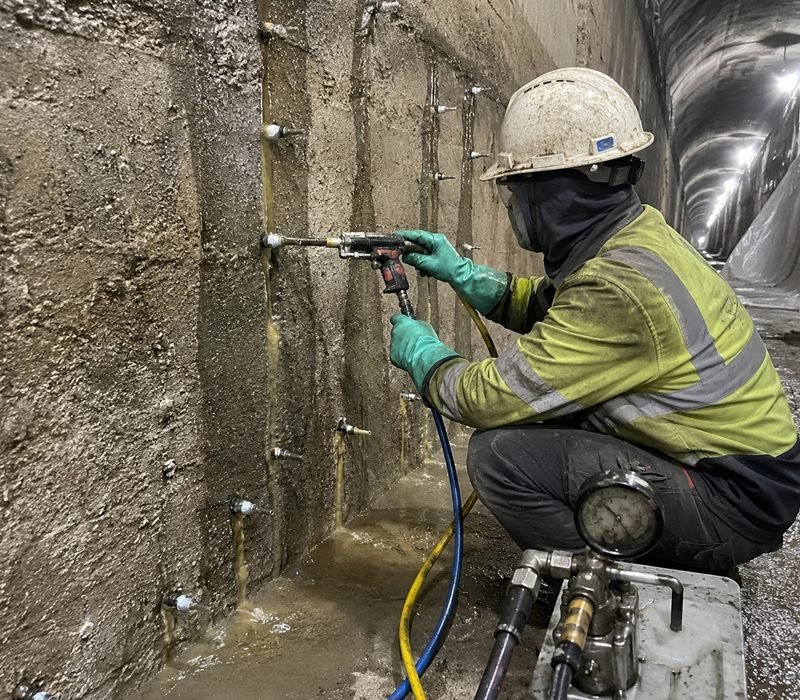
Polyurethane Injection Grout
Active leakage control and flexible sealing for underground structures.
Main Functions:
- Water stopping
- Flexible sealing
- Leakage path filling
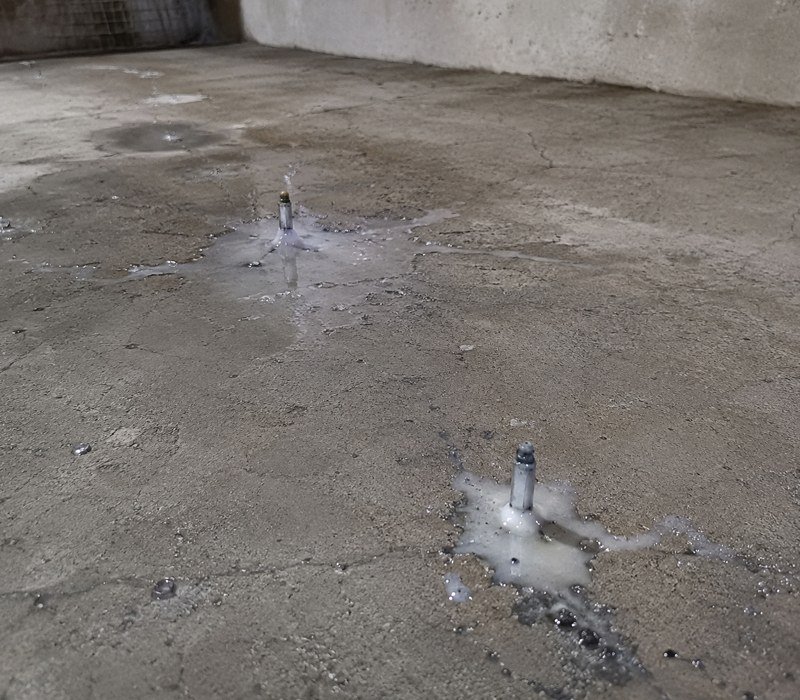
Acrylate Injection Grout
Low viscosity penetration for fine cracks and complex leakage paths.
Main Functions:
- Deep penetration
- Flexible waterproof barrier
- Groundwater control
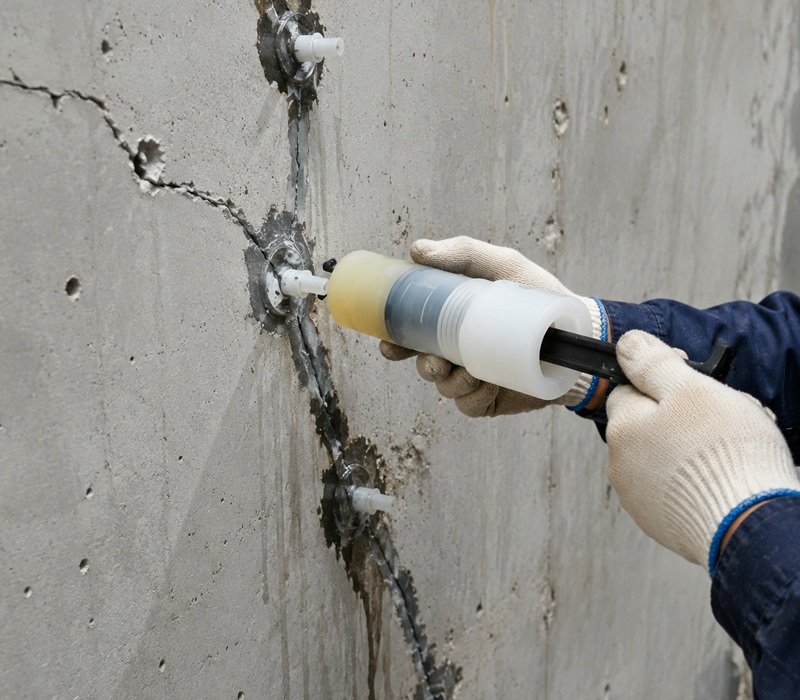
Epoxy Injection Resin
Structural bonding and concrete crack reinforcement applications.
Main Functions:
- Structural bonding
- Crack strengthening
- Concrete repair
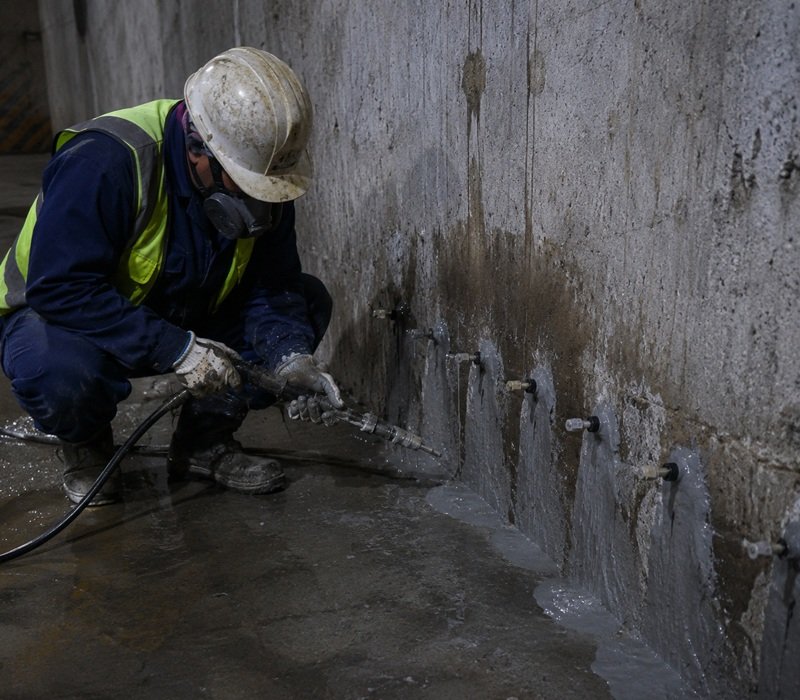
Polyurea Injection Grout
Advanced sealing performance for demanding underground environments.
Main Functions:
- High durability
- High Elastic
- Advanced protection
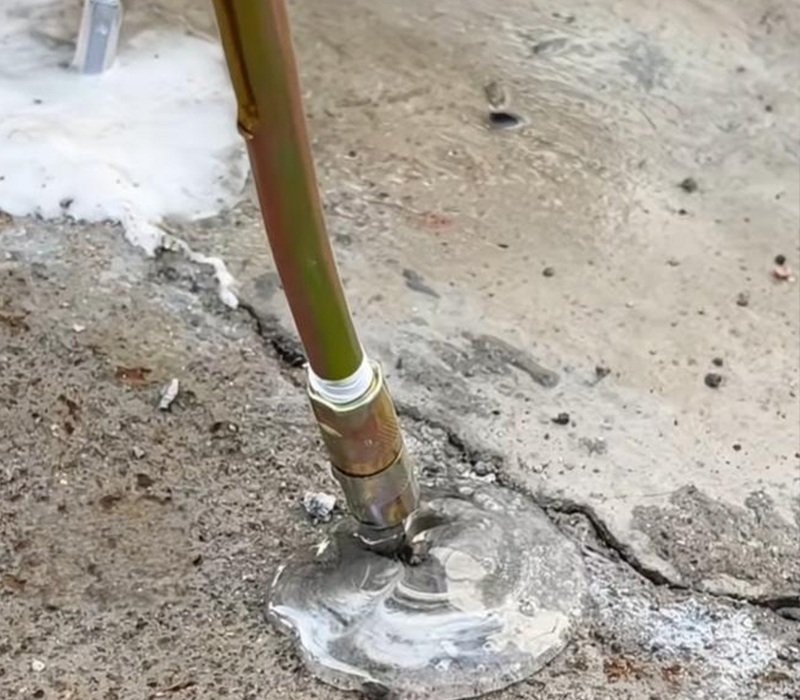
Microcrystalline Polyurea Grout
Rapid sealing and durable protection for complex underground conditions.
Main Functions:
- Rapid sealing
- Deep penetration
- Durable waterproof protection
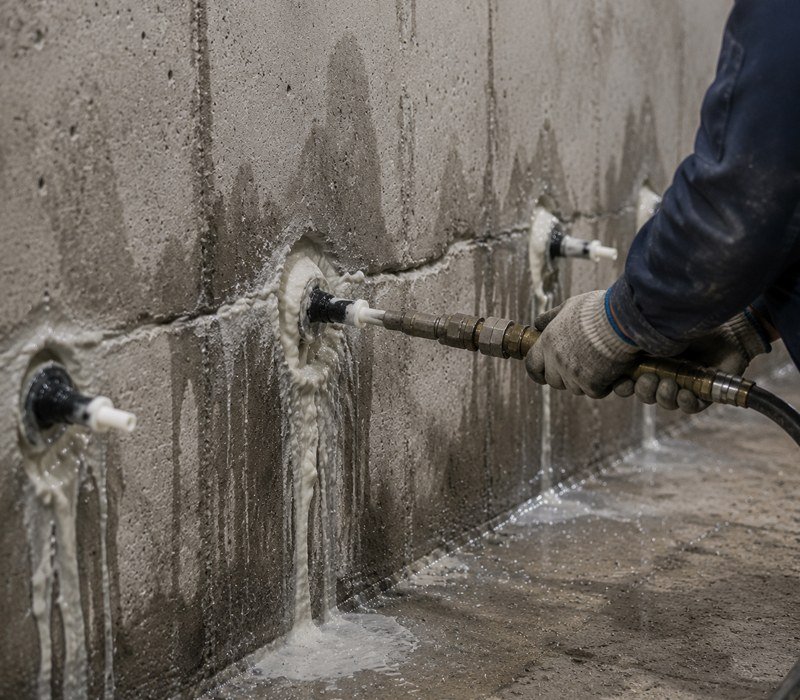
Foaming Injection Grout
Expansion technology for void filling and water blocking applications.
Main Functions:
- Void filling
- Water blocking
- Space stabilization
Complete Underground Injection Grouting System
A complete underground injection system combines engineering assessment, suitable grout technology, controlled injection methods, and performance verification to achieve reliable leakage control and structural protection.
- Site Investigation & Condition Assessment
Every underground injection project starts with understanding the actual site conditions. Engineers evaluate structure type, groundwater conditions, leakage location, and repair requirements before selecting the appropriate system.
- Underground structure evaluation
- Groundwater condition analysis
- Leakage location identification
- Repair objective confirmation
- Leakage & Structural Analysis
Underground leakage can result from cracks, joints, concrete defects, voids, or groundwater migration. Identifying the actual leakage mechanism helps determine the correct injection approach.
- Tunnel lining defects
- Joint leakage
- Hidden water channels
- Structural deterioration
- Underground voids
- Injection System & Material Selection
Based on underground conditions, Hongru recommends suitable injection technologies including polyurethane, acrylate, epoxy, polyurea, microcrystalline polyurea, and foaming grout systems.
- Active water leakage control
- Fine crack penetration
- Structural reinforcement
- Void filling
- Long-term waterproof protection
- Controlled Injection Process
A reliable injection system requires controlled drilling, proper injection pressure, suitable equipment, and continuous monitoring during the process.
- Injection point planning
- Pressure control
- Material reaction monitoring
- Grout distribution observation
- Repair Verification & Long-Term Protection
After injection, performance evaluation helps confirm leakage control and ensures the repaired structure achieves long-term durability.
- Leakage reduction verification
- Injection effectiveness assessment
- Structural protection evaluation
- Maintenance recommendations
Why Choose Hongru for Underground Injection Grouting Solutions?
Hongru provides professional underground injection grouting materials for contractors, distributors, and engineering partners. With in-house manufacturing capability and multiple grouting technologies, we help customers select suitable solutions for different underground construction requirements.
Manufacturer Direct Supply
As an injection grout manufacturer, Hongru provides direct factory supply with stable production capability, consistent quality control, and flexible cooperation for global customers.
Multi-material Grouting Capability
Hongru develops different injection grout technologies including polyurethane, epoxy, acrylate, polyurea, microcrystalline polyurea, and foaming grout systems.
Project-based Material Support
Underground projects require different solutions depending on water conditions, crack characteristics, structural requirements, and construction environments. Hongru supports customers with suitable material selection.
OEM & Private Label Support
Hongru supports distributors and partners with OEM services including customized packaging, product labels, specifications, and long-term supply cooperation.
Quality Control & Production Stability
From raw material inspection to production and testing, Hongru maintains quality control procedures to provide reliable injection grouting products for international projects.
Global Supply Experience
Hongru works with distributors, contractors, and project partners worldwide, providing technical communication, export support, and reliable delivery solutions.
FAQs About Underground & Tunnel Injection Grouting Solutions
Find answers about underground grouting materials, tunnel leakage repair, and injection system selection for underground construction projects.
1. What underground problems can injection grouting solve?
Injection grouting is commonly used for underground structures where water leakage, cracks, joints, voids, or groundwater pressure affect structural performance.
Typical problems include:
- Active water leakage
- Tunnel seepage
- Construction joint leakage
- Cracks in underground concrete structures
- Water infiltration around penetrations
- Voids behind underground structures
YURU selects suitable injection grout systems according to leakage conditions and project requirements.
2. When should injection grouting be used for tunnel leakage repair?
Use injection grouting when water enters through:
- Cracks
- Joints
- Construction gaps
- Concrete defects
Depending on site conditions, different materials may be selected:
- Polyurethane grout for active water leakage
- Acrylate grout for fine cracks and water migration control
- Epoxy grout for structural crack reinforcement
The correct system depends on water conditions, crack characteristics, and project requirements.
3. How do I choose the right injection grout for underground projects?
The selection of underground injection grout depends on several factors:
Water condition
- Dry crack
- Damp crack
- Active water leakage
- High-pressure groundwater
Structural condition
- Moving cracks
- Static cracks
- Construction joints
- Voids behind structures
Performance requirements
- Waterproof sealing
- Structural reinforcement
- Ground stabilization
YURU provides different injection grout technologies including polyurethane, epoxy, acrylate, polyurea, and microcrystalline polyurea systems.
4. What is the difference between polyurethane grout and epoxy grout for underground repair?
Polyurethane grout and epoxy grout are formulated for distinct underground repair applications.
Polyurethane Injection Grout
Suitable for:
- Active water leakage
- Wet cracks
- Flexible sealing requirements
Epoxy Injection Grout
Suitable for:
- Structural crack repair
- Concrete reinforcement
- High bonding requirements
Material selection should be based on project conditions rather than using one material for all applications.
5. Can injection grouting be used for metro tunnels and underground stations?
Yes.
Injection grouting is widely used for underground transportation structures including:
- Metro tunnels
- Railway tunnels
- Underground stations
- Utility tunnels
The grouting system should be selected according to:
- Leakage location
- Concrete condition
- Groundwater pressure
- Long-term durability requirements
YURU supports contractors and distributors with suitable underground injection grout materials.
6. Does Hongru provide complete underground injection grouting systems?
Yes.
Hongru supplies complete injection grouting material solutions including:
- Injection grout materials
- Crack and leakage repair systems
- Customized packaging
- OEM and private label support
For different underground projects, Hongru helps partners select suitable materials according to application requirements.
Discuss Your Underground Injection Grouting Project with Hongru
Whether you are repairing tunnel leakage, protecting underground structures, or sourcing injection grout materials for infrastructure projects, Hongru provides material selection support and factory-direct supply solutions.
Share Your Project Information
- Project Type
- Structure Condition
- Water Leakage Situation
- Required Performance
- Material Requirements
- Packaging Requirements