
Dam & Water-retaining Injection Grouting Solutions
Reliable injection grouting systems for dam leakage repair, reservoir seepage control, and long-term protection of water-retaining concrete structures.
Hongru provides factory-direct injection grout materials for hydraulic and water-retaining projects, offering PU, epoxy, acrylate, polyurea, and microcrystalline polyurea grout systems with technical support for global engineering applications.
- Factory Direct Supply
- Multiple Grouting Systems
- OEM & Private Label Support
- Global Project Supply
Common Dam & Water-retaining Problems
Water-retaining structures must maintain long-term sealing performance under continuous water pressure. Injection grouting helps repair leakage paths, seal structural defects, and improve the durability of hydraulic concrete structures.
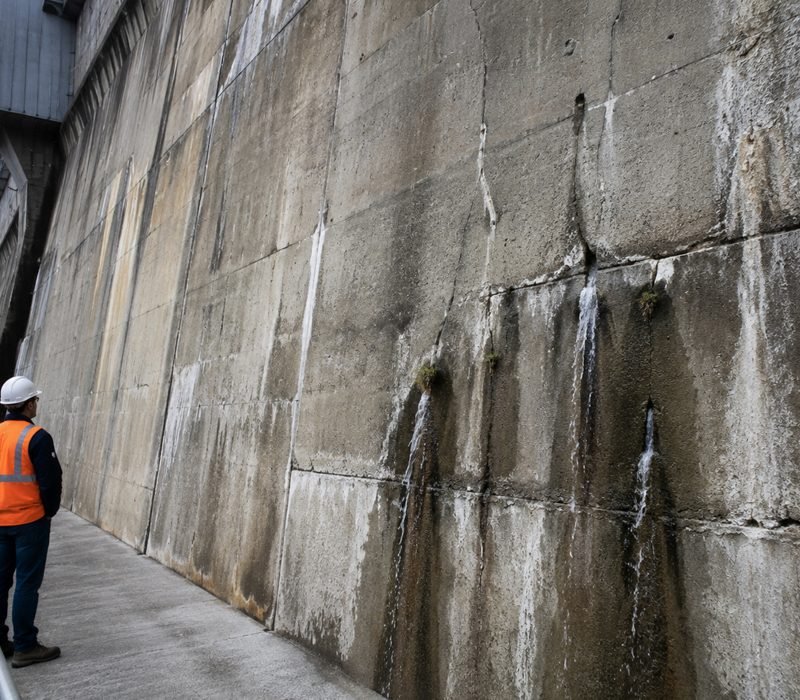
Concrete Dam Seepage Through Cracks
Concrete cracks caused by shrinkage, thermal stress, aging, or structural movement may create continuous leakage paths inside dam structures.
Repair Concern
Injection grouting helps seal internal water channels and restore the waterproof performance of concrete structures.
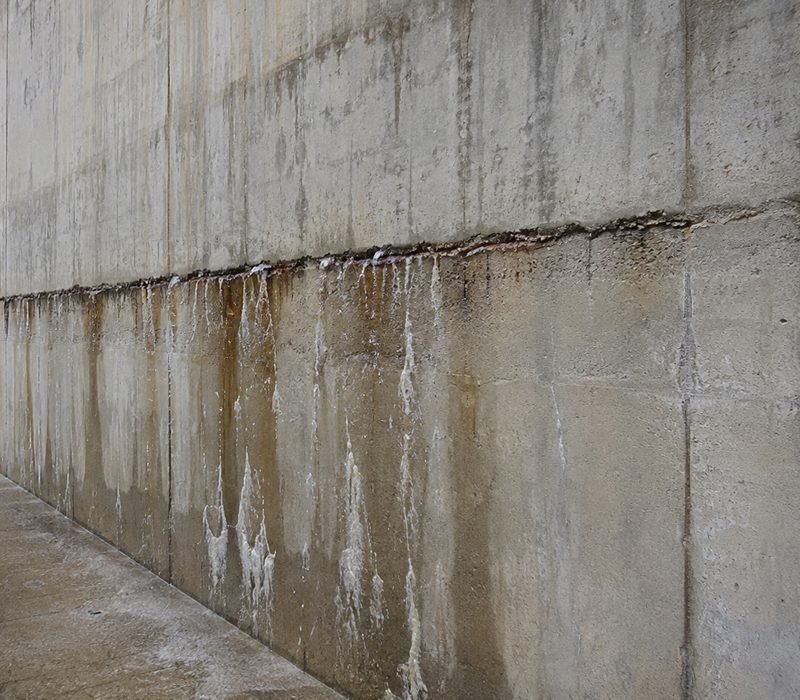
Construction Joint Leakage
Concrete construction joints may become potential leakage paths after long-term exposure to water pressure and environmental conditions.
Repair Concern
Injection systems can penetrate joint areas and improve long-term sealing performance without major reconstruction.
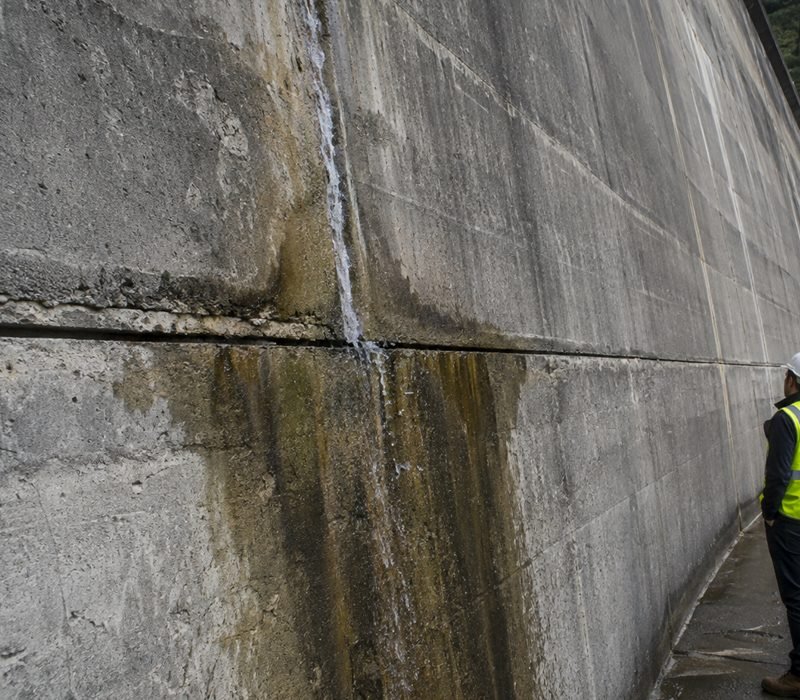
Expansion Joint and Movement Joint Seepage
Movement joints in hydraulic structures must accommodate structural changes while maintaining water-tight performance.
Repair Concern
Suitable injection materials help restore sealing performance in areas affected by movement and repeated water exposure.
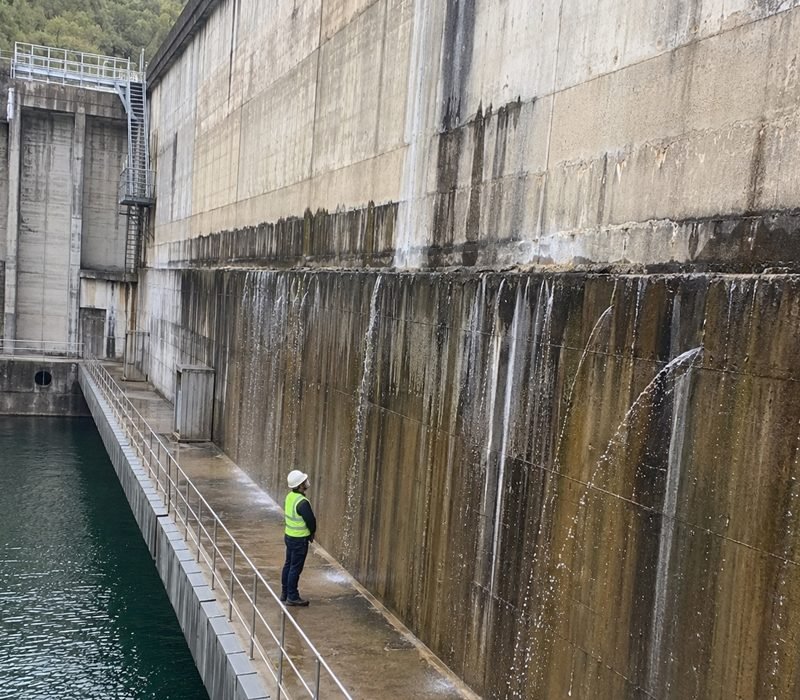
Water Leakage Under Continuous Hydrostatic Pressure
Continuous water pressure can accelerate leakage through cracks, joints, and hidden defects inside concrete structures.
Repair Concern
A suitable injection grouting system is required to control water flow and create durable sealing barriers.
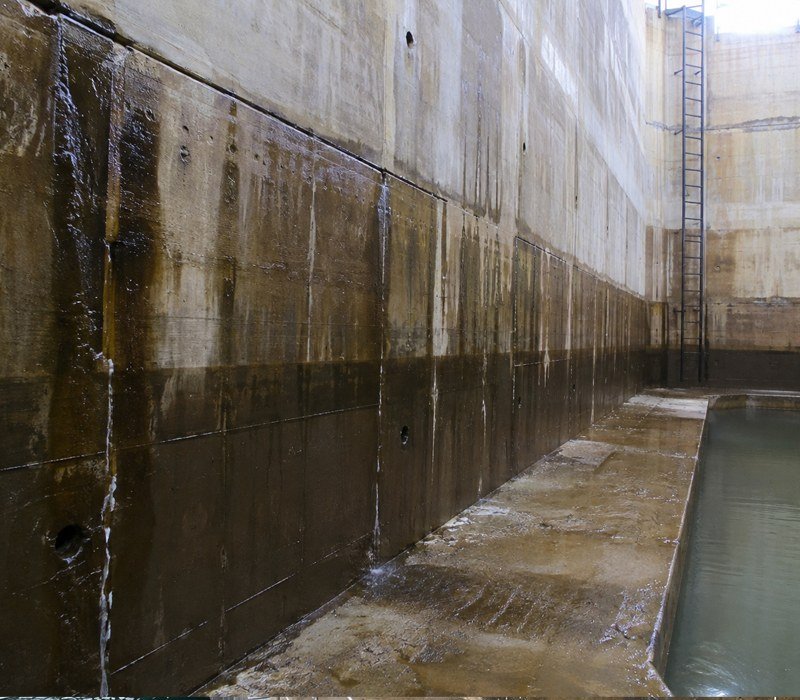
Reservoir and Water Tank Seepage
Reservoirs and water tanks require reliable waterproof performance to prevent water loss and structural deterioration.
Repair Concern
Injection grouting provides an efficient repair method for sealing internal leakage paths and improving water-retaining capability.
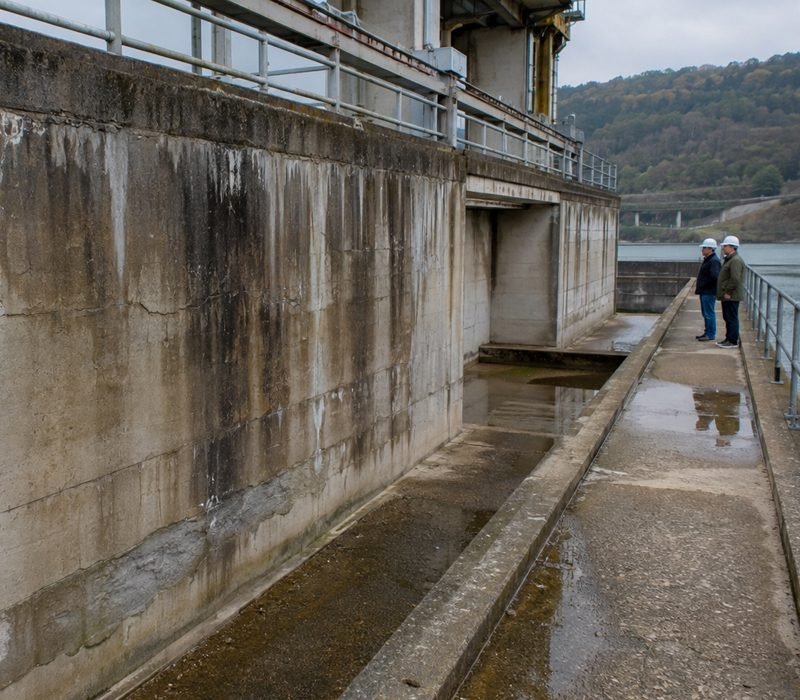
Aging Hydraulic Concrete Structures
Long-term exposure to water, weather conditions, and structural stress may reduce the durability of hydraulic concrete structures.
Repair Concern
Injection grouting helps extend service life by improving internal sealing and protecting vulnerable areas.
Dam & Water-retaining Injection Grouting Applications
Hongru injection grouting materials are designed for different hydraulic and water-retaining structures where leakage control, concrete protection, and long-term sealing performance are required.

Dam Leakage Repair
Typical Challenges
Concrete dams may develop cracks, construction defects, or internal seepage paths after long-term water exposure and structural stress.
Injection Objective
Injection grouting helps seal leakage channels, reduce water migration, and improve the long-term water-tight performance of dam structures.

Reservoir Seepage Control
Typical Challenges
Reservoir structures require reliable sealing performance to prevent continuous water loss caused by cracks, joints, and concrete deterioration.
Suitable injection systems help control seepage paths and maintain the water-retaining function of reservoir structures.

Water Tank Injection Repair
Typical Challenges
Concrete water tanks may experience leakage from cracks, joints, or aging concrete surfaces during long-term operation.
Injection grouting provides targeted repair for internal leakage paths while minimizing major reconstruction work.
Hydraulic Structure Repair
Typical Challenges
Hydraulic structures are exposed to continuous water pressure, changing water levels, and long-term environmental conditions.
Injection Objective
Injection grouting helps repair internal defects, seal leakage paths, and improve structural durability.

Concrete Dam Crack Injection
Typical Challenges
Cracks in concrete dams may allow water penetration and gradually affect structural durability and water-retaining performance.
Injection Objective
The appropriate injection material helps seal cracks according to crack condition, moisture level, and required performance.
Water-retaining Concrete Structure Repair
Typical Challenges
Water-retaining concrete structures require continuous protection against seepage, leakage, and deterioration.
Injection Objective
Injection grouting helps restore sealing performance and extend the service life of concrete structures.
Need Help Selecting the Right Injection Material?
Every hydraulic structure has different leakage conditions and repair requirements. Hongru can help evaluate suitable injection grout systems according to project conditions.
How to Select the Right Injection Grouting System for Water-retaining Structures?
Selecting the right injection grouting system for dams, reservoirs, water tanks, and hydraulic structures requires more than choosing a single grout material. The leakage condition, structural movement, water pressure, and repair objective should all be evaluated before selecting the suitable injection system.
Identify the Leakage Condition
Before choosing a grout material, the leakage condition should be identified clearly. Different leakage paths require different injection responses.
Active water leakage
Slow seepage
Crack leakage
Construction joint leakage
Hidden water paths
Check Structural Conditions
Water-retaining structures are exposed to continuous water pressure and long-term environmental stress. Structural conditions directly affect material selection.
Crack width
Structural movement
Moisture condition
Water pressure
Concrete deterioration
Define the Repair Objective
Different repair goals require different injection systems. The selected grout should match the expected performance of the water-retaining structure.
Stop Active Leakage
For visible water flow or pressure leakage that requires fast sealing response.
Seal Fine Seepage
For slow water migration through fine cracks, joints, or hidden leakage paths.
Restore Structural Integrity
For concrete cracks where bonding strength and structural repair are required.
Improve Long-term Water Tightness
For water-retaining structures requiring durable sealing and protection.
Match the Grout Material Type
After evaluating leakage and structural conditions, the suitable grout technology can be selected according to the repair requirement.
Polyurethane Injection Grout
For active leakage control and flexible sealing.
Epoxy Injection Grout
For structural crack repair and concrete bonding.
Acrylate Grout
For fine seepage paths and low-viscosity penetration.
Polyurea Grout
For durable sealing and flexible waterproofing.
Microcrystalline Polyurea Grout
For specialized sealing and long-term protection.
Foaming Grout
For void filling and water path blocking.
Confirm the Injection System
A complete injection solution should consider not only the grout material, but also the application system and repair verification.
Packers
Pump type
Injection pressure
Sealing sequence
Repair verification
Need Help Matching the Right Grout System?
Every water-retaining structure has different leakage conditions, pressure levels, and repair requirements. Hongru can help evaluate suitable injection grout systems based on your project information.
Injection Grouting Materials for Dam and Water-retaining Repair
Hongru provides different injection grout material systems for dam leakage repair, reservoir seepage control, water tank repair, and hydraulic concrete structure protection. Material selection should be based on leakage condition, water pressure, crack behavior, and long-term water-retaining requirements.
Polyurethane Injection Grout
For active leakage and flexible water sealing
Polyurethane injection grout is commonly used for active water leakage and wet crack sealing in dams and water-retaining structures. Its flexible sealing behavior makes it suitable for leakage paths affected by moisture, water movement, or minor structural movement.
Suitable For
- Active water leakage
- Wet cracks
- Construction joint leakage
- Water pressure leakage
Main Function
Water stopping · Flexible sealing · Leakage path filling
Typical Applications
Dam leakage repair, reservoir seepage control, hydraulic joint sealing
Epoxy Injection Grout
For structural crack repair and concrete bonding
Epoxy injection grout is suitable for stable cracks where structural bonding and concrete reinforcement are required. It is generally considered when the crack is relatively dry or slightly damp and the repair objective is to restore strength rather than only stop water.
Suitable For
- Stable structural cracks
- Dry or slightly damp cracks
- Concrete crack bonding
- Structural reinforcement
Main Function
Structural bonding · Crack reinforcement · Concrete repair
Typical Applications
Concrete dam crack injection, hydraulic concrete repair, structural crack restoration
Acrylate Injection Grout
For fine seepage paths and low-viscosity penetration
Acrylate injection grout is selected for fine seepage paths, micro-cracks, and complex leakage channels where low-viscosity penetration is required. It can help form a flexible sealing barrier in water-retaining structures with difficult-to-trace seepage.
Suitable For
- Fine seepage
- Micro-cracks
- Hidden water paths
- Joint sealing
Main Function
Deep penetration · Fine leakage sealing · Flexible waterproof barrier
Typical Applications
Reservoir seepage control, water tank leakage repair, fine joint leakage sealing
Polyurea Injection Grout
For durable sealing and flexible waterproof protection
Polyurea injection grout may be considered for water-retaining repair projects where flexible sealing, durability, and long-term waterproof protection are important. It is suitable for selected applications where the structure requires both sealing performance and movement tolerance.
Suitable For
- Flexible crack sealing
- Long-term water exposure
- Water-retaining concrete repair
- Selected hydraulic structure repair
Main Function
Flexible sealing · Durable protection · Waterproof repair
Typical Applications
Hydraulic structure repair, water-retaining concrete protection, selected joint sealing
Microcrystalline Polyurea Grout
For specialized sealing and long-term protection
Microcrystalline polyurea grout is designed for specialized waterproof repair conditions where penetration, sealing durability, and long-term protection are required. It can be considered for difficult water-retaining repair conditions after project assessment.
Suitable For
- Fine leakage paths
- Complex water-retaining structures
- Long-term waterproof repair
- Difficult seepage conditions
Main Function
Durable sealing · Penetration support · Long-term waterproof protection
Typical Applications
Water-retaining structure repair, reservoir seepage control, specialized hydraulic repair
Foaming Injection Grout
For void filling and water path blocking
Foaming injection grout expands after injection and can be used for filling voids, gaps, and larger leakage channels in certain water-retaining repair conditions. It should be selected according to void size, water condition, and repair objective.
Suitable For
- Hidden voids
- Larger leakage channels
- Cavities behind concrete
- Water path blocking
Main Function
Void filling · Water path blocking · Space sealing
Typical Applications
Dam void filling, hydraulic structure cavity sealing, water path blocking
Material Selection Should Match Actual Water-retaining Conditions
The suitable injection grout system should be selected according to actual project conditions. For water-retaining structures, Hongru can help evaluate leakage status, water pressure, crack behavior, and repair objectives before recommending a material system.
Complete Injection Grouting System for Dam and Water-retaining Repair
A reliable dam injection grouting system is not only about selecting grout materials. It also requires site condition review, leakage path assessment, injection equipment compatibility, pressure control, and repair verification.
Site Condition Review
Before selecting an injection grouting system, the actual water-retaining structure should be reviewed. Important factors include the type of structure, leakage location, water pressure condition, concrete condition, and accessibility for injection work.
Leakage Path Assessment
Water-retaining structures may have visible leakage points and hidden seepage paths. Identifying whether water moves through cracks, joints, voids, or internal defects is important before confirming the injection approach.
Material System Selection
Different leakage conditions require different grout technologies. Hongru helps customers match polyurethane, epoxy, acrylate, polyurea, microcrystalline polyurea, or foaming grout systems according to leakage status, water pressure, and repair objectives.
Injection Equipment & Packers
A complete grouting system should consider the compatibility between grout material, injection pump, packers, injection ports, and site operation requirements. Proper equipment selection helps ensure controlled material delivery into leakage paths.
Controlled Injection Execution
Controlled injection helps improve grout distribution and sealing performance. For water-retaining structures, injection pressure, sequence, material reaction, and leakage response should be carefully managed according to project conditions.
Sealing Verification & Long-term Consideration
After injection, the repaired area should be evaluated to confirm leakage reduction and sealing performance. For dams, reservoirs, and water-retaining structures, long-term durability and maintenance requirements should also be considered.
System Matching Should Be Based on Actual Project Conditions
For water-retaining repair projects, the final injection system should be confirmed according to actual leakage conditions, water pressure, structural movement, and material performance requirements. Hongru can support customers with material selection, technical communication, and supply coordination.
Request System RecommendationWhy Choose Hongru for Dam Injection Grouting Solutions?
For dam leakage repair, reservoir seepage control, and water-retaining structure protection, material selection should be supported by reliable manufacturing capability, multiple injection grout systems, and project-based technical communication.
Manufacturer Support for Water-retaining Injection Repairt
Hongru provides injection grouting materials for water-retaining repair projects where leakage control, sealing durability, and material compatibility are important. Our support focuses on helping distributors, contractors, and engineering buyers select suitable grout systems according to project conditions.
Multiple Grout Material Systems
Hongru supplies polyurethane, epoxy, acrylate, polyurea, microcrystalline polyurea, and foaming injection grout systems for different dam and water-retaining repair conditions.
Project-based Material Recommendation
Material selection can be discussed according to leakage condition, water pressure, crack behavior, structural movement, and repair objectives.
Factory-direct Supply Capability
As a source manufacturer, Hongru supports stable material supply, bulk order coordination, packaging options, and technical document preparation for international buyers.
OEM & Private Label Support
For distributors and brand owners, Hongru provides OEM and private label support, including packaging, labeling, and selected formulation adjustment according to market requirements.
Technical Communication Support
Hongru can support technical communication by reviewing project information, material requirements, leakage conditions, and application expectations before recommending suitable grout systems.
International Engineering Supply Experience
Hongru materials have been supplied for construction and infrastructure-related projects in different markets, supporting waterproofing, injection grouting, and concrete repair applications.
For dam and water-retaining repair projects, Hongru focuses on helping customers select suitable injection grout materials and matching systems according to actual project requirements.
Frequently Asked Questions About Dam Injection Grouting Solutions
Answering common technical and purchasing questions about dam leakage repair, reservoir seepage control, water tank leakage injection, and injection grout material selection.
Questions Before Selecting a Grout System?
Water-retaining structures may involve different leakage paths, water pressure levels, structural conditions, and repair objectives. These questions help buyers understand how to select suitable injection grouting materials before requesting a recommendation.
Dam leakage repair
Reservoir seepage control
Water tank leakage injection
PU vs epoxy grout selection
Material recommendation support
What grout is used for dam leakage repair?
The suitable grout depends on the leakage condition, water pressure, crack behavior, and repair objective. Polyurethane injection grout is commonly considered for active leakage and wet cracks, epoxy grout is used for stable structural crack bonding, acrylate grout is suitable for fine seepage paths, and polyurea or microcrystalline polyurea systems may be considered for selected long-term waterproof repair conditions.
Can injection grouting stop reservoir seepage?
Injection grouting can help control reservoir seepage when the seepage path can be identified and treated properly. For reservoirs, material selection should consider whether water moves through cracks, construction joints, micro-cracks, voids, or hidden leakage channels.
Which injection grout is suitable for water tank leakage repair?
For concrete water tank leakage repair, the grout material should be selected according to crack width, moisture condition, water pressure, and whether the repair goal is leakage sealing or structural bonding. Polyurethane grout may be used for active leakage, acrylate grout for fine seepage paths, and epoxy grout for stable structural cracks.
What is the difference between PU grout and epoxy grout for water-retaining repair?
PU grout is usually selected for water leakage control, wet crack sealing, and flexible water stopping. Epoxy grout is mainly used for structural crack bonding and concrete reinforcement where the crack is stable and relatively dry or slightly damp. The final choice depends on leakage condition and repair objective.
Does Hongru provide dam repair construction service?
Hongru is a manufacturer of waterproofing and injection grouting materials. Hongru supports customers with injection grout material supply, material selection communication, OEM support, and technical document preparation for project-based purchasing.
How do I choose the right injection grouting system for a water-retaining structure?
Start by identifying the leakage condition, such as active leakage, seepage, crack leakage, joint leakage, or hidden water paths. Then review structural conditions, including crack width, movement, moisture condition, water pressure, and concrete deterioration. The grout material and injection system should be selected according to the repair objective and actual project requirements.
Can one grout material solve all dam and reservoir leakage problems?
No single grout material is suitable for every dam or reservoir leakage condition. Active leakage, fine seepage, structural cracks, joints, voids, and long-term water-retaining protection may require different grout technologies or a combined material system.
Does Hongru support OEM or private label injection grout supply?
Yes. Hongru supports OEM and private label supply for injection grouting materials, including packaging, labeling, and selected formulation adjustment according to distributor or market requirements. Project and product requirements should be confirmed before production.
Need a Dam or Water-retaining Injection Grouting Solution?
Share your leakage condition, water pressure, structure type, and repair objective. Hongru can help recommend suitable injection grout materials and matching system support for your project.
What Project Information Helps Us Recommend Materials?
Structure type, such as dam, reservoir, water tank, or hydraulic concrete structure
Leakage condition, including active leakage, seepage, crack leakage, or joint leakage
Water pressure condition, crack width, moisture level, and concrete deterioration
Photos, videos, drawings, or basic project information for material selection discussion
Repair objective, bulk order requirement, OEM request, or private label supply need